

Learn about seven subtle symptoms of pancreatic cancer that often go unnoticed. Early recognition could help lead to earlier diagnosis and treatment
Harvard Gastroenterologist Reveals 7 Silent Symptoms of Pancreatic Cancer Everyone Should Know
Pancreatic cancer is often called a “silent disease” because it may not cause obvious symptoms until it has advanced. That’s one reason it remains one of the most challenging cancers to detect early.
While many digestive issues are harmless, certain persistent or unusual symptoms deserve medical attention. Gastroenterologists emphasize that recognizing subtle warning signs can help people seek evaluation sooner.
Important: Having one or more of these symptoms does not necessarily mean you have pancreatic cancer. Many common conditions can cause similar symptoms. Persistent or unexplained symptoms should be discussed with a healthcare professional.
1. Unexplained Weight Loss
Losing weight without changing your diet or exercise routine can be a warning sign.
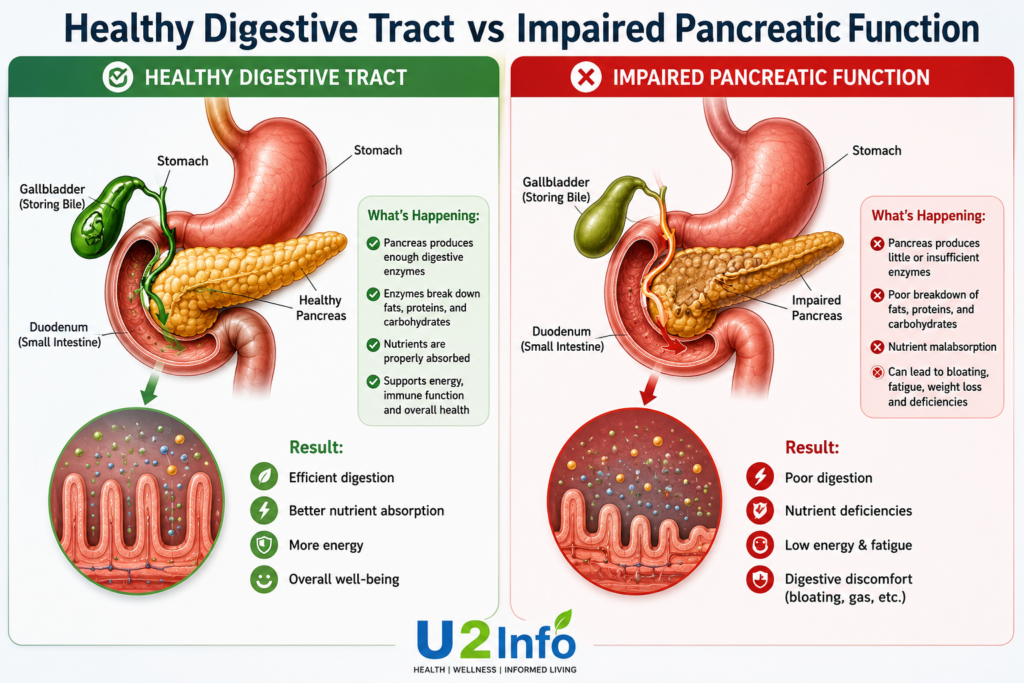
The pancreas helps digest food and regulate blood sugar. When it isn’t functioning properly, the body may struggle to absorb nutrients, leading to unintended weight loss.

2. Persistent Upper Abdominal Pain
A dull ache in the upper abdomen that sometimes radiates to the back may be an early symptom.
The discomfort may worsen after eating or while lying flat.
3. Yellowing of the Skin or Eyes (Jaundice)
One of the earliest noticeable signs in some people is jaundice.
This occurs when a tumor blocks the bile duct, causing bilirubin to build up in the body.
Additional signs include:
- Dark urine
- Pale stools
- Itchy skin
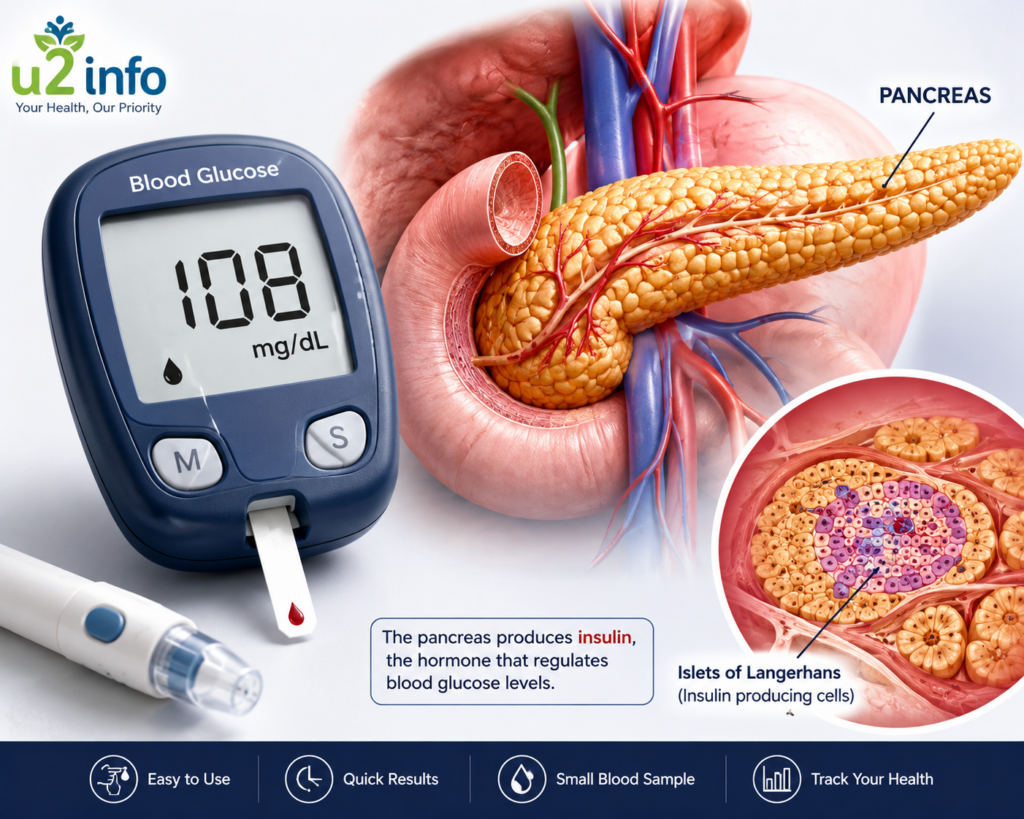
4. New-Onset Diabetes
Sometimes pancreatic cancer affects insulin production before other symptoms appear.
People over age 50 who suddenly develop diabetes—especially with unexplained weight loss—may require further medical evaluation.
5. Digestive Problems That Don’t Go Away
Watch for persistent:
- Bloating
- Nausea
- Loss of appetite
- Feeling full quickly
- Fatty or greasy stools
These symptoms can occur because the pancreas is no longer producing enough digestive enzymes.
6. Constant Fatigue
Extreme tiredness that doesn’t improve with rest can accompany many illnesses, including pancreatic cancer.
Fatigue may result from inflammation, poor nutrition, or changes in metabolism.

7. Blood Clots Without an Obvious Cause
Unexpected blood clots, particularly in the legs, can sometimes be associated with pancreatic cancer.
Symptoms may include:
- Leg swelling
- Pain
- Warmth
- Redness
Immediate medical attention is important if these occur.